
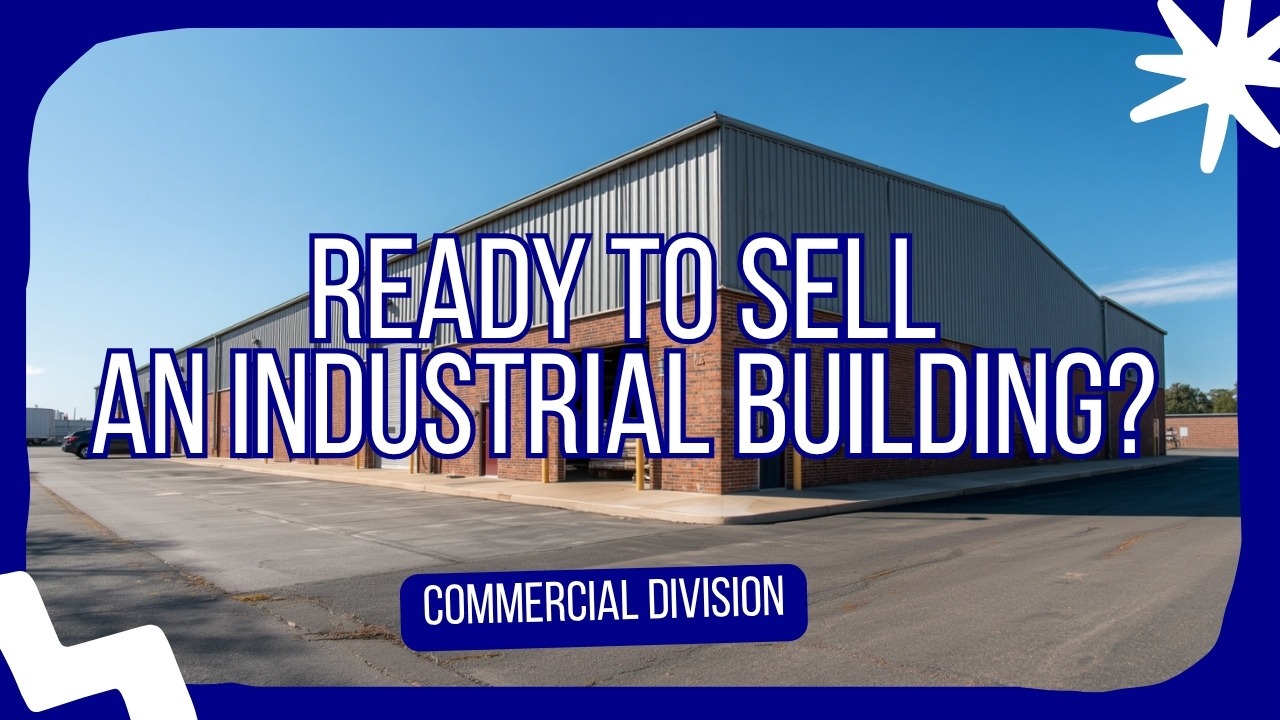
If you own an older industrial or flex building in New Jersey and leasing it has gotten harder the last year or two, you’re not behind — you’re watching a real shift in the market play out, and it’s worth understanding before you decide what to do next.
What’s actually happening
New Jersey’s industrial market is having a strong year. Commercial real estate firm Cushman & Wakefield’s Q2 2026 report shows warehouse and distribution leasing at 7.3 million square feet for the quarter, pushing year-to-date activity up more than 40% over last year, with vacancy easing toward the mid-single digits by the end of the year. Big-name tenants are driving a good chunk of it — Amazon’s 1.1-million-square-foot renewal in Carteret, a new 800,000-square-foot lease from a logistics operator in Perth Amboy, and a roughly 450,000-square-foot deal in Sayreville, all clustered around the Middlesex County corridor near the Turnpike’s Exit 8A.
Here’s the part that matters if your building isn’t one of the new ones: that demand is concentrated in what the industry calls “Class A” space — plain-language version, the newest, largest buildings with high ceilings, modern loading, and easy highway access. Older, smaller buildings (often labeled Class B or C) are seeing the opposite trend — softer leasing, longer vacancies, and less pricing power, even in a market that’s technically booming.
If that’s the building you own, you’re not doing anything wrong. You’re just sitting in a different part of the same market.
The paths available to you
There’s more than one reasonable way to handle an older industrial or flex building right now:
- List it and market it for lease or sale. A good commercial broker can still find a tenant or buyer for a Class B or C building — it may just take longer, and buyers will often expect the price to reflect the building’s age and condition.
- Invest in bringing it closer to today’s standard. Updated dock doors, lighting, roofing, or clear height can help a building compete for stronger tenants, but it’s a real cost and timeline commitment, and it only makes sense if you plan to hold the property for years to come.
- Sell it as-is, occupied or vacant, to a direct buyer. This skips the repositioning and the marketing period, and works whether the building is fully leased, partly vacant, or sitting empty.
None of these is automatically the “right” answer — it depends on your timeline, your appetite for capital improvements, and whether you’re looking to hold, upgrade, or move on.
Where Patriot fits — and where it doesn’t
Patriot Property Buyer purchases older industrial and flex buildings across New Jersey in their current condition, whether they’re occupied, partly vacant, or empty. A direct cash purchase makes sense if you’d rather skip repairs, showings, and a long marketing period, and you want a clear number and a timeline that fits your plans — including coordinating around a 1031 exchange if you’re rolling proceeds into another investment.
It’s not the right fit if your priority is top-of-market Class A pricing through a competitive, broker-led sale — that’s a legitimate path, and a good commercial broker is the right partner for it. Let’s find the right path for your property, even if that path isn’t us.
A local note
A lot of New Jersey’s industrial base — including plenty of the state’s small-bay and flex buildings — was built by the same generation of manufacturers and independent operators who built Main Street businesses across Middlesex County and beyond. The newest logistics hubs going up near Exit 8A are the headline, but they don’t erase the value or the history in the older buildings around them. Patriot has spent years talking with owners who are proud of what they built and are simply ready for a straightforward next chapter for it.
Next step
Own a commercial property you’re ready to move? Start a discreet, off-market conversation at PatriotPropertyBuyer.com.
This post is for general information only and isn’t legal, financial, or tax advice. Talk with a qualified attorney, CPA, or commercial broker about your specific situation. Cash offer amounts and timelines are determined case-by-case and confirmed in writing.